
120V and 240V circuits wiring

Understanding 120V and 240V Circuits

The electrical panel in your home is rated for 120 and 240V to provide power for the variety of devices, devices and lighting we depend on every day.  Receptacles and lighting typically require 120V which is supplied by a single pole breaker in your electrical panel and the wiring is ran throughout the home to each receptacle, light and light switch. Today’s homes rely heavily on the electrical systems, providing power to the numerous devices , small devices and lighting, to the big power loads like clothes dryers, ranges, air conditioning, hot tubs and EV chargers.

Need some wiring upgrades in your home?  You can trust Halo Power Solutions for all of you 120V and 240V circuit wiring needs.
Benefits of 120V Circuit Wiring

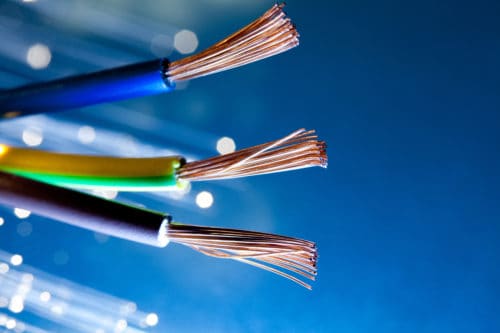
120V wiring is most commonly used for receptacles and lighting fixtures, TVs and entertainment systems, Refrigerators, Microwaves, Laptops, and chargers, etc. This wiring is used for everyday use devices because lower voltage is generally safer and it also minimizes the risk of shock. Most of the daily use “plug in” devices are designed for 120V circuit wiring

Benefits of 240V circuit wiring

Electricians use 240V wiring for high-power appliances that require more power to operate efficiently, such as electric dryers, water heaters, electric ranges, central air conditioning units, hot tubs, and Level 2 electric vehicle chargers. This type of wiring delivers more wattage, making it ideal for power-intensive appliances like ranges and air conditioners. It also increases efficiency, as the higher voltage allows these appliances to draw less current.

Typical 120V loads include:

— Light fixtures
— Ceiling fans
— Forced air furnaces
— Sump pumps
— Washing machines
— Dishwashers
— Microwaves
— Televisions
— Computers
— Cell phone chargers

Typical 240V loads include:

— Clothes dryers
— Ranges and induction cooktops
— Central air conditioners
— Hot tubs
— Steam showers
— Electric hot water tanks
— Level 2 EV chargers

Typical 120V loads include:

— Light fixtures
— Ceiling fans
— Forced air furnaces
— Sump pumps
— Washing machines
— Dishwashers
— Microwaves
— Televisions
— Computers
— Cell phone chargers

Typical 120V loads include:

— Light fixtures
— Ceiling fans
— Forced air furnaces
— Sump pumps
— Washing machines
— Dishwashers
— Microwaves
— Televisions
— Computers
— Cell phone chargers

Need new 120V and 240V circuits in your home? Give Halo Power a call and we will be there with speed of lighting.

Similar Posts

  • Garage Wiring

    Planning on building a new garage or finishing your existing garage?  Our team of electricians have the skill and the know how to accommodate your vision.  Whether you are building your dream mechanics garage or just a space to park the vehicles, we ensure that garage wiring is completed safely with the functionality and future…

  • Wiring for Air Conditioning

    Installing or upgrading an air conditioning (AC) unit involves more than just choosing the right model—it also requires proper electrical wiring to ensure the system operates safely and efficiently. Whether you’re adding a central air system, a ductless mini-split, or a window unit, understanding the wiring requirements is crucial. Why Proper Wiring Matters? Air conditioning…

  • Surge Protection

    Alberta is known for its unpredictable weather. Most of the areas, like Edmonton and Sherwood Park, are especially vulnerable to power surges caused by lightning strikes, grid switching, and high electrical demand during cold winters. Surges can damage and destroy sensitive and modern appliances. Surge protection is like a safeguard that protects all the appliances…

  • Sub Panel Installation

    As your electrical needs grow—whether from adding a garage, finishing a basement, or setting up a workshop—you might find your main electrical panel running out of space. That’s where a subpanel comes in. A subpanel (or secondary panel) is a smart, practical solution for expanding your electrical capacity while keeping things safe and organized. What…

  • Home Renovation Wiring

    Updating the electrical wiring is a major aspects during a home renovation. Whether you’re upgrading your kitchen, developing your basement, adding a new room, or completely renovating your home, wiring is always an essential part, as negligence with the wiring system can lead to fire and electrical hazards in the future. Wiring isn’t just about…