Aluminum Wiring Remediation and Repair for Insurance
If you have a home that was built during the 1970s, there’s a very good chance it was wired with aluminum. During the 70s, the price of copper became very expensive so to save costs on home construction, Aluminum Wire was used extensively for the branch circuit wiring in homes. Every device in the home, including receptacles, switches, and light fixtures, was connected using aluminum conductors instead of copper. This dramatically reduced the cost of wiring a home, however it wasn’t until years later that it was realized the issues and hazards associated with aluminum wiring. Nowadays it is common for insurance companies to demand the Aluminum Wire be removed and replaced or remediated (pigtailed). Otherwise, insurance coverage may be void.
What’s the problem with aluminum wiring?
Unlike copper wiring, aluminum wiring is less malleable than copper and overtime can become more susceptible to breaking and fire risk.
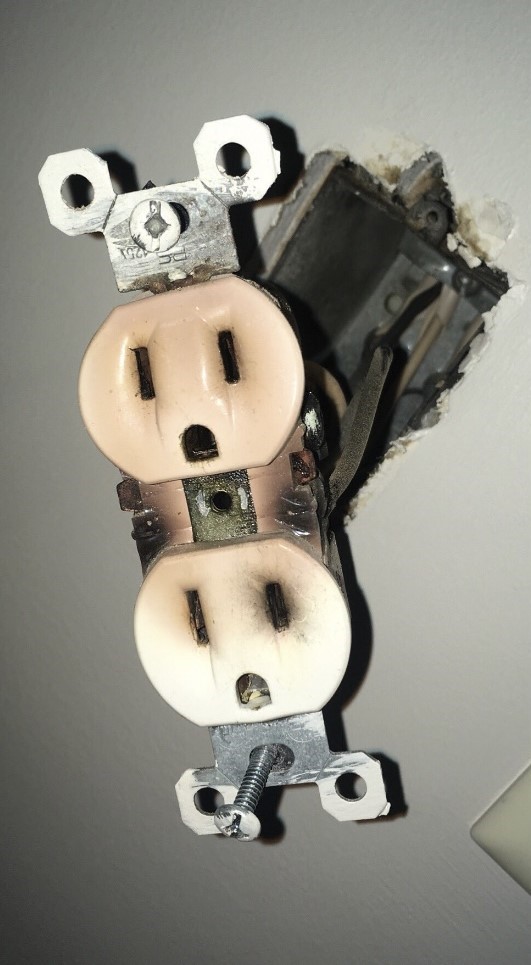
Because aluminum is a softer metal than copper, it expands and contracts while under electrical load which causes connections at receptacles and switches to come loose. The result of a loose electrical connection while under load is heat, sparking and arcing and even a fire.
Overtime, the aluminum wiring can also oxidize which causes additional resistance and can result in overheating and potential fire hazard.
What are the signs of faulty aluminum wiring?
If you have aluminum wiring in your home experience any of these issues or conditions, don’t ignore it.
- An electrical burning odour from devices or the electrical panel
- Receptacles and switches that are hot to the touch
- Warm spots on your walls near receptacles and switches
- Receptacles that spark when used
- Scorch marks around receptacles
- Flickering lights in your home
- Light fixtures and receptacles that work intermittently or stop working completely
How do we fix it?
The best (and most expensive) solution is to completely remove the Aluminum Wire in your home and re-wire with Copper. Unless you were doing a complete renovation on your home and removing ceilings and drywall, this can be a very laborious and invasive project.
A more common and code-compliant method is to complete an aluminum remediation (aluminum wire pig-tailing) on the Aluminum Wire throughout your home. This involves removing all the receptacles and switches, and then connecting new copper conductors to the existing aluminum wiring using approved aluminum-to-copper connectors. The receptacle and switch devices are replaced with new devices. This Aluminum Wire remediation work must be completed by a licensed electrician experienced in Aluminum Wire remediation. It is not a project for the homeowner or handyman. A licensed electrician should complete aluminum wire remediation under an electrical permit, and your local authority having jurisdiction should inspect the work. In addition, you should receive a letter of completion from a master electrician to submit to your insurance company.
You can trust Halo Power Solutions to take care of your Aluminum Wire woes by completing your Aluminum Wire remediation. We inspect and copper-pigtail the aluminum wire at every device box and install a new receptacle or switch. We pull an electrical permit and have it inspected, and our master electrician provides a letter of completion for Insurance or Home sale purposes. We are just a call away!