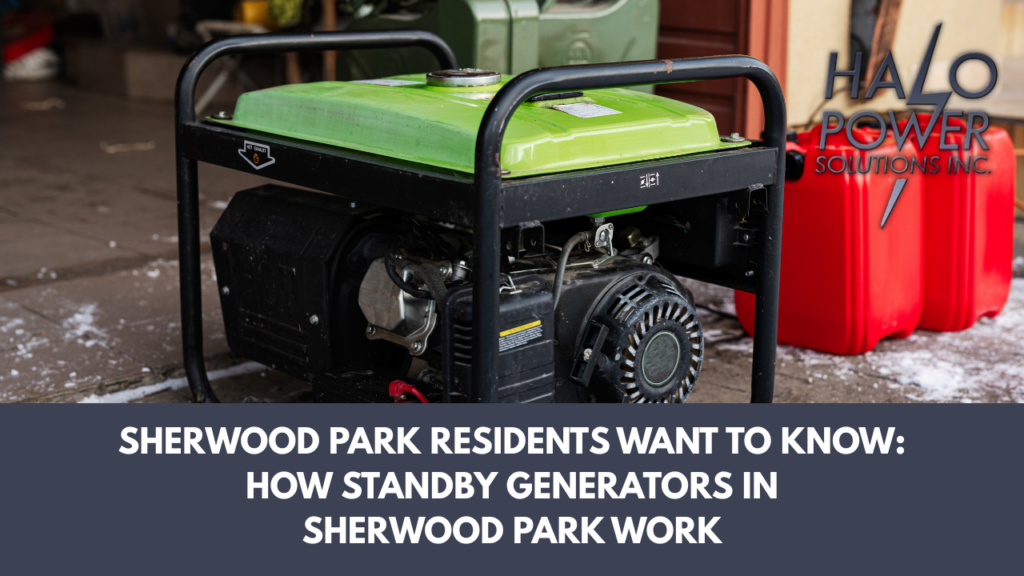
Sherwood Park Residents Want To Know: How Standby Generators in Sherwood Park Work
Picture this.
It’s the middle of winter in Sherwood Park. The temperature drops below -30. The wind is howling… and suddenly, the power goes out.
No heat. No lights. No internet. No way to cook.
That’s not just inconvenient—it’s a real risk.
This is exactly why more homeowners are investing in generators in Sherwood Park. And if you’ve been curious about how they actually work, you’re in the right place.
Let’s break down generators in a simple, no-nonsense way.
Understanding Standby Generators in Sherwood Park: What They Are and Why They Matter
A standby generator isn’t just a backup plan—it’s a fully automated power system designed to protect your home.
What Is a Standby Generator?
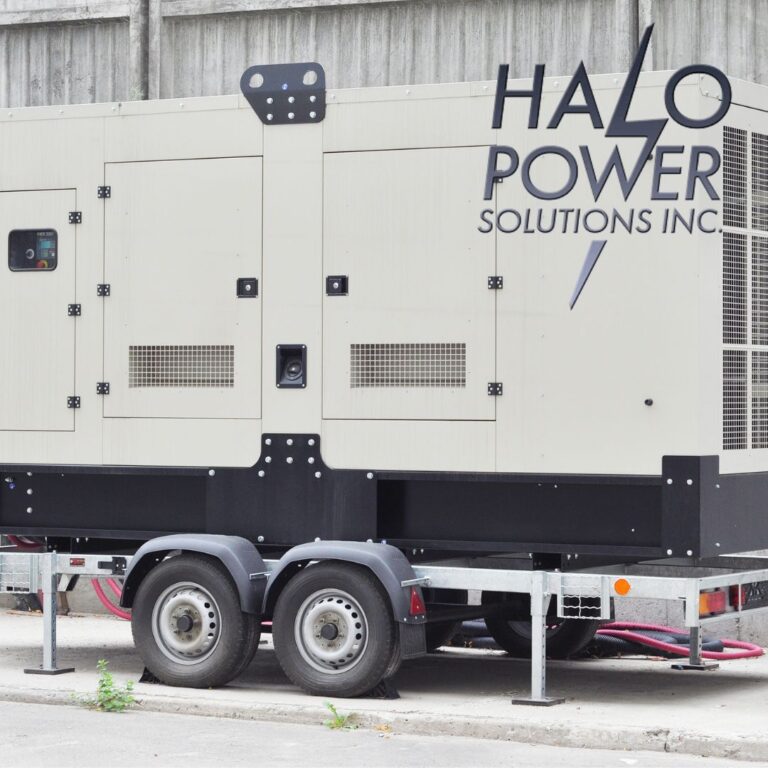
A standby generator is a permanently installed unit outside your home that:
- Runs on natural gas or propane
- Turns on automatically during a power outage
- Powers your home without you lifting a finger
Unlike portable generators, there’s:
- No extension cords
- No manual setup
- No scrambling in the dark
Why Generators Are Becoming Essential
Sherwood Park homeowners face:
- Extreme winter temperatures
- Increasing power demand
- Storm related outages
When the power goes out, you’re not just losing comfort—you’re risking:
- Frozen pipes
- Food spoilage
- Loss of heating systems
“A generator isn’t a luxury anymore—it’s protection.”
What Can a Standby Generator Power?
Depending on the system size, you can power:
- Furnace and heating systems
- Refrigerator and freezer
- Lights and outlets
- Wi Fi and security systems
- Entire home (with larger units)
How Generators Actually Work
This is where things get interesting.
Step by Step: What Happens During an Outage
Here’s how standby generators work behind the scenes:
- Power goes out
- Automatic Transfer Switch (ATS) detects the outage
- Generator starts within seconds
- Power is redirected to your home
You barely notice the interruption.
The Role of the Automatic Transfer Switch
The ATS is the brain of the system.
It:
- Detects power loss instantly
- Switches your home from grid power to generator power
- Prevents dangerous electrical backfeeding
When Power Returns
Once utility power is restored:
- The ATS switches back
- The generator shuts down automatically
No intervention needed.
Types of Generators: Which One Is Right for You?
Not all generators are created equal.
Portable Generators
Pros:
- Lower upfront cost
- Good for short outages
Cons:
- Manual setup required
- Limited power
- Not ideal for winter emergencies
Standby Generators
Pros:
- Fully automatic
- Reliable during long outages
- Can power entire homes
Cons:
- Higher upfront investment
- Requires professional installation
Choosing the Right Size
This is where most homeowners go wrong.
Here’s a quick guideline:
| Home Type | Generator Size | Coverage |
| Small home | 10–14 kW | Essentials only |
| Mid size home | 16–22 kW | Most systems |
| Large home | 24 kW+ | Whole home |
A proper load assessment from a professional ensures you don’t under or overspend.
Installation: What to Expect
Installing a generator isn’t a DIY project—and that’s a good thing.
Why Professional Installation Matters
A licensed electrician ensures:
- Code compliance
- Safe electrical connections
- Proper system sizing
- Permit approvals
Learn more about professional electrical services here:
https://halopower.ca/residential-electrical-services/
What’s Included in Installation
A full installation typically includes:
- Load calculation
- Generator placement
- ATS installation
- Electrical panel integration
- Testing and commissioning
Timeline
Most installations follow this process:
- Site assessment
- Permits and approvals
- Installation (1–3 days)
- Testing and walkthrough
Benefits of Understanding Standby Generators in Sherwood Park
Once you understand how these systems work, the value becomes obvious.
Safety First
- Keeps your furnace running
- Prevents frozen pipes
- Maintains essential systems
Comfort and Convenience
- Automatic operation
- No disruption to your daily life
Protecting Your Investment
- Prevents sump pump failures
- Protects appliances and electronics
Peace of Mind
Whether you’re home or away, your house is protected.
Common Mistakes Homeowners Make
Let’s save you from expensive regrets.
1. Choosing the Wrong Size
Too small = not enough power
Too big = unnecessary cost
2. Skipping Professional Installation
This leads to:
- Safety risks
- Code violations
- System failure
3. Ignoring Fuel Type
- Natural gas = continuous supply
- Propane = requires storage planning
4. Waiting Too Long
After a major outage, demand spikes.
Install now—not when everyone else is scrambling.
Why Homeowners Choose Halo Power
When it comes to generators, experience matters.
Halo Power stands out because they:
- Are licensed, insured electricians
- Are Generac authorized dealers
- Handle permits, installation, and service
- Provide honest, transparent recommendations
Explore generator services here:
https://halopower.ca/backup-generators/
They don’t just install systems—they make sure your home is ready for anything.
Frequently Asked Questions About Generators in Sherwood Park
How do standby generators work?
They automatically detect power loss and switch your home to generator power within seconds.
How much do generators cost in Sherwood Park?
Costs vary depending on size and installation but typically range from $8,000 to $20,000+.
Can a generator power my entire home?
Yes, with the right size system and proper setup.
Do generators require maintenance?
Yes. Regular servicing ensures reliability and longevity.
Are standby generators noisy?
Modern systems are surprisingly quiet—similar to a central AC unit.
What fuel is best?
Natural gas is most common, but propane is a great alternative.
Do I need a permit?
Yes. Installation must meet local electrical codes and regulations.
How long do generators last?
With proper maintenance, 15 to 30 years.
Key Takeaways
- Generators are becoming essential due to extreme weather and outages
- Standby generators work automatically and protect your home instantly
- Proper sizing and professional installation are critical
- Understanding standby generators helps you avoid costly mistakes
- Installing a generator gives you safety, comfort, and peace of mind
Final Thoughts
Power outages aren’t a matter of if—they’re a matter of when.
And when they happen, you don’t want to be figuring things out in the dark.
By understanding standby generators in Sherwood Park, you’re already ahead of most homeowners. The next step is making sure your home is prepared.